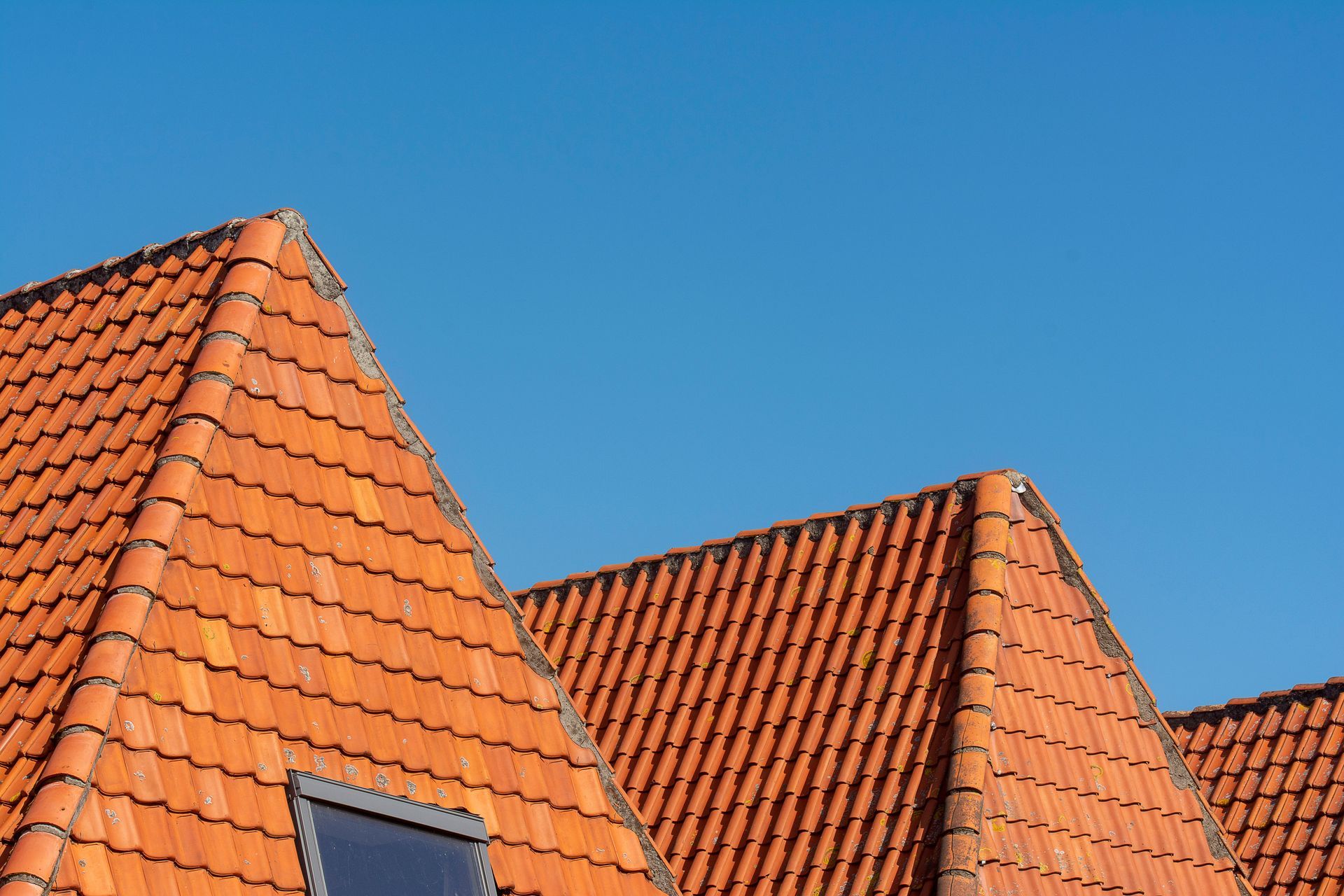
Why Oxford Roofs Turn Green: The Thames, the Cherwell and College-City Damp
Anyone researching moss removal Oxford homeowners actually need has probably noticed the same pattern across the city: roofs turn green faster here than in many neighbouring towns. It is a common complaint from Headington to Botley, and it is not a coincidence or a sign of a poorly built roof. Oxford sits at the confluence of two rivers, the Thames, known locally as the Isis, and the Cherwell, in a low lying river basin that keeps humidity high across large parts of the city. Add in the tight, tree shaded streets of the historic centre and its Victorian suburbs, and you have near perfect conditions for moss, algae and lichen to take hold on roof tiles.
The quick answer: Oxford roofs turn green faster than average mainly because the city sits at the low lying meeting point of the Thames and Cherwell rivers, which keeps air humidity high, combined with dense, mature tree cover across many residential streets that shades roofs and slows down natural drying.
1. A City Built Where Two Rivers Meet
Oxford's position at the point where the River Cherwell joins the River Thames, called the Isis within the city boundary, is part of what gives the city its name and its history as a river crossing. It is also part of why the air here holds more moisture than in a town further from open water. The historic water meadows around Christ Church Meadow and Port Meadow, along with the floodplain that runs through much of south and west Oxford, mean a significant amount of the city sits close to the water table.
That proximity to slow moving water and floodplain land translates into higher local humidity, particularly on still, overcast days that are common through autumn and winter. Roof surfaces in these conditions take longer to dry out after rain, and it is that extended dampness, more than the rain itself, which gives moss spores the window they need to establish.
2. Why Humidity Matters More Than Rainfall Totals
It is a common assumption that heavy rainfall alone causes mossy roofs, but the reality is more specific than that. The Radcliffe Meteorological Station, based at the Radcliffe Observatory in central Oxford and operated by the University of Oxford's School of Geography and the Environment, holds one of the longest continuous weather records anywhere in the world, with data going back to 1767. What that long record shows is a fairly even spread of rainfall through the year rather than short, intense downpours followed by long dry spells.
That steady, low level pattern of rain and damp air is exactly what allows moss spores to settle and grow slowly over months rather than being repeatedly washed away or dried out. A roof that gets a short, hard downpour and then several dry, sunny days is often less hospitable to moss than one that experiences Oxford's more consistent dampness.
3. College City Streets and the Shade Effect
Oxford's identity as a university and college city has shaped its streets in a way that adds to the problem. Many residential roads close to the historic centre, and Victorian suburbs like Jericho and parts of North Oxford, were laid out with mature street trees and dense terraced housing, which was fashionable and practical in the nineteenth century but has the side effect of shading roofs for much of the day.
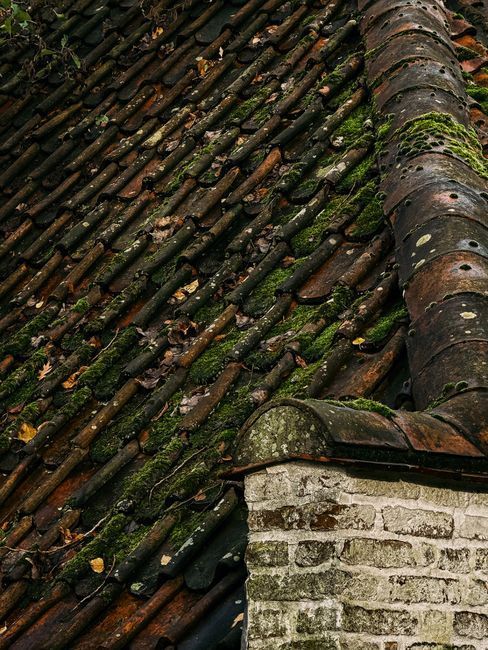
A north facing roof pitch on a narrow, tree lined street may receive only a few hours of direct sun even in summer. Without that sunlight and airflow, moisture that would otherwise evaporate quickly instead sits on the tile surface, giving algae and moss spores time to attach and begin growing. This is one reason roofs on opposite sides of the same street can weather so differently depending on orientation.
4. The Difference Between Moss, Algae and Lichen
These three organisms are often lumped together, but they behave differently on a roof. Algae typically appears first as a black or green staining, especially on north facing slopes, and it thrives on moisture and airborne nutrients rather than needing a rough surface to grip. Moss follows once enough organic material and grip has built up, forming raised cushions that hold water directly against the tile. Lichen tends to appear on older, more weathered roofs and can be slower growing but harder to remove without careful treatment.
Understanding which is present matters because it affects how a roof should be cleaned. A roof with early stage algae staining may only need a straightforward soft wash, while one with established moss cushions needs a more careful process to lift the growth without damaging tiles beneath it.
5. Why Left Untreated, Green Roofs Get Worse Quickly
Moss and algae do not simply sit passively on a roof. As cushions of moss build up, they trap leaf litter and airborne debris, which in turn feeds further growth. Water held against the tile surface for extended periods can also start to affect pointing, flashing and, on older properties, the tiles or slates themselves, particularly through freeze thaw cycles in winter.
Gutters are often the first place this becomes visible from ground level, as moss sheds material that then blocks water flow. Anyone dealing with blocked gutters alongside a green roof may find it useful to read our guide on gutter cleaning for Oxford's tree lined streets, since the two problems very often arrive together.
6. Which Parts of Oxford Are Most Affected
While every street has its own microclimate, certain patterns show up repeatedly. Areas close to the rivers and floodplain, including parts of Grandpont, Wolvercote and the land near Port Meadow, tend to see higher ambient humidity. Meanwhile the tree lined Victorian streets of North Oxford, Summertown and Jericho add the shade factor on top of that dampness. Roofs in Cowley and Headington, sitting slightly higher and further from the rivers, can still see plenty of moss where mature trees or north facing pitches create similar shaded, damp conditions.
None of this means a roof in a drier feeling part of the city is immune. It simply means the combination of factors is more common in some parts of Oxford than others, which is worth knowing when deciding how often a roof should be checked and cleaned.
7. Soft Washing as the Right Response
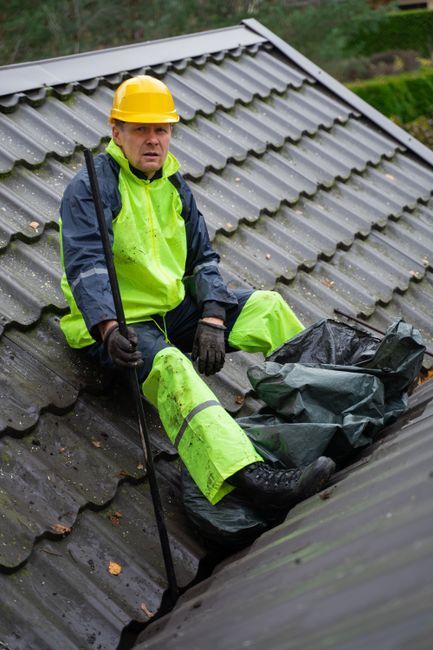
Because Oxford's roofs face this combination of humidity, shade and steady rainfall, the most effective long term response is not a single aggressive clean but a considered, low pressure soft wash carried out on a sensible cycle. Soft washing treats moss, algae and lichen at the root using a biodegradable solution rather than simply blasting the visible growth off the surface, which often leaves spores and roots behind to regrow within a year or two.
For properties with older stone or slate roofs, this gentler approach also protects tiles that would be damaged by high pressure water. Our article on cleaning Cotswold stone and Stonesfield slate roofs covers this in more depth for anyone with a traditional stone roof.
8. Signs Your Roof Is Reacting to Oxford's Damp Conditions
- Green or black streaking on north facing roof slopes , usually the earliest visible sign of algae taking hold in a shaded, damp spot.
- Raised moss cushions around ridges, valleys and chimney stacks , where water collects and drains more slowly.
- Increased leaf and moss debris in gutters after rain , suggesting material is shedding from the roof above.
- A roof that stays visibly damp long after neighbouring properties have dried out , often linked to shade from mature trees or a north facing aspect.
- Slippery or soft feeling patches noticed during any roof access or inspection , which can indicate significant moss buildup underneath the visible surface.
9. Timing a Clean Around Oxford's Seasons
Late spring through to early autumn tends to be the most practical window for a soft wash in Oxford, since drier, milder weather allows treatments to work effectively and gives the roof time to fully dry afterwards. Cleaning ahead of autumn also means falling leaves land on a cleaner surface, rather than settling into existing moss and accelerating the cycle over winter.
That said, growth does not stop just because the calendar says so, and a roof that is already heavily affected is usually better addressed sooner rather than waiting for an ideal season.
Frequently Asked Questions
Why does my roof have more moss than my neighbour's? Aspect and shade make a big difference. A north facing pitch or a roof shaded by mature trees stays damp for longer after rain, giving moss and algae more time to establish than on a sunnier, more exposed roof nearby.
Does Oxford really get more rain than other parts of the country? Not dramatically more, but the long term data from the Radcliffe Meteorological Station shows a fairly even spread of rainfall through the year, and it is this consistent dampness, combined with the city's low lying, river adjacent setting, that keeps roofs wet for longer than in some other towns.
What does moss removal in Oxford typically cost? Pricing depends on roof size, pitch, access and the extent of growth, so costs vary from property to property. It is best to get a quote based on your specific roof rather than a generic figure, particularly if moss has built up over several years.
Can I just brush moss off myself? Brushing can remove surface growth but often leaves roots and spores behind, and scraping at tiles risks dislodging or cracking them, especially on older stone or slate roofs. A soft wash treatment tends to give a longer lasting result.
Will trees near my house always cause moss problems? Mature trees increase shade and moisture retention, which raises the likelihood of moss, but regular cleaning on a sensible cycle keeps this manageable without needing to remove healthy, established trees.
How quickly can moss come back after a professional clean? With a proper soft wash treatment that addresses the roots of the growth, regrowth is typically slowed significantly compared with a simple surface brush or rinse, though roofs in particularly shaded, damp spots may still need more frequent checks.
Noticed your roof turning green faster than it should? Ben's Roof Cleaning has over 15 years of experience treating moss and algae on roofs across Oxford and Oxfordshire, using soft washing suited to the city's damp, low lying conditions. Get in touch or call 0186 550 9593 for a free, no obligation quote.
Oxford's Rivers Shape Its Roofs as Much as Its History
The same rivers that gave Oxford its name and its centuries of history are quietly shaping how quickly its roofs turn green. Understanding the role of humidity, shade and the city's low lying setting helps explain why moss and algae are such a persistent issue here, and why a considered, regular soft wash does more for a roof's long term health than waiting until the problem is impossible to ignore.