DIY Moss Removal vs a Professional Clean: What's Right for Your Oxford Roof?
Searching for moss removal Oxford advice online quickly turns up two very different paths: buy a scraper and a bottle of moss killer and tackle the roof yourself at the weekend, or bring in a professional soft washing service to do the job properly. Both approaches can work, but they are not equally suited to every roof, and Oxford's mix of steep Victorian pitches, older stone and slate tiles, and consistently damp, shaded streets makes the choice more important here than it might be elsewhere. This guide walks through what each option actually involves, and when it makes sense to reach for the phone instead of the ladder.
The quick answer: DIY moss removal can be reasonable for a low, easily accessible, modern tiled roof with light growth, but for steep pitches, older stone or slate roofs, or heavier moss, a professional soft wash is safer and produces a longer lasting result on most Oxford properties.
1. What DIY Moss Removal Usually Involves
Most DIY approaches involve some combination of a stiff brush or scraper to physically remove moss cushions, followed by a shop bought moss killer or diluted solution applied by hand or with a garden sprayer. On paper this sounds straightforward, and for a simple, low pitched roof with easy ground level access, it can produce a visible improvement.
The trouble is that scraping directly at tiles, particularly older stone, clay or slate, can lift the surface, crack edges, or dislodge tiles that are already loosely fixed after decades of weathering. It is very easy to cause damage that is not obvious until the next heavy rain finds a new way in.
2. Why Working at Height Is the Bigger Risk
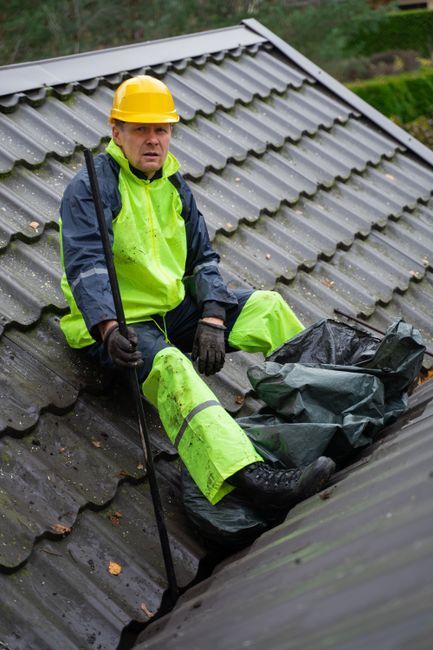
Beyond the roof itself, the single biggest issue with DIY moss removal is safety. Many Oxford properties, particularly the Victorian terraces and villas found across North Oxford, Jericho and Summertown, have steep pitched roofs sitting two or three storeys above the ground, often with little to no safe access from a standard domestic ladder.
Falls from height remain one of the most common causes of serious injury connected to home maintenance. A professional service brings the correct access equipment, training and insurance to work safely at height, which is not something a weekend DIY approach can easily replicate.
3. Why Oxford's Roofs Make This Decision More Important
Oxford's combination of a low lying, river adjacent setting and dense, mature tree cover across many residential streets means moss and algae establish here more readily than in many other towns. Our article on why Oxford roofs turn green explains this in more depth, but the practical effect is that moss on an Oxford roof is often further established, and covering a larger area, than a homeowner might expect from the ground.
Heavier, more established moss growth is exactly the kind of job where scraping and shop bought treatments struggle, since roots can be extensive and simply pulling off the visible cushion leaves plenty behind to regrow within a season.
4. Stone and Slate Roofs Change the Equation Entirely
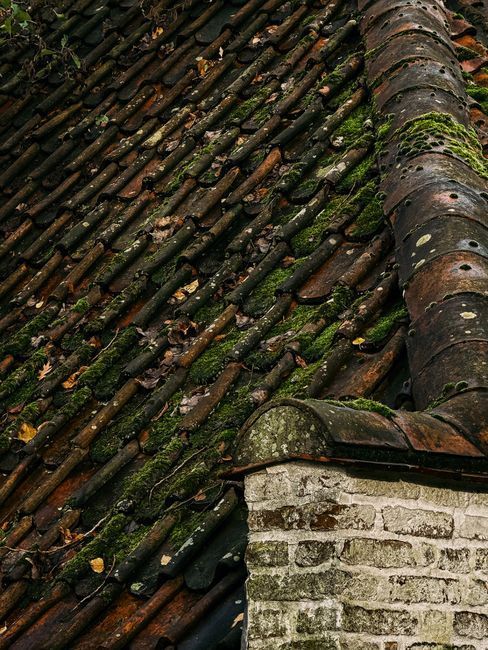
A significant number of roofs across Oxford and the surrounding Oxfordshire villages are covered in Cotswold stone slate, and in some older cases genuine Stonesfield slate, a fissile limestone historically split by frost and now increasingly scarce since commercial quarrying largely ended in the early twentieth century. These materials are considerably softer and more porous than modern concrete tiles, and far less forgiving of scraping, scrubbing or harsh chemical treatments.
Our dedicated guide to cleaning Cotswold stone and Stonesfield slate roofs in Oxford goes into detail on why these roofs need a specific, gentle approach. If your property has this kind of roof, DIY methods carry a real risk of causing damage that cannot be easily or cheaply reversed.
5. What Professional Soft Washing Actually Does Differently
Soft washing uses low pressure water combined with a biodegradable treatment that breaks down moss, algae and lichen at the root, rather than relying on scraping or brute force to remove visible growth. Because the treatment does the work rather than physical pressure, it is far gentler on tiles, whatever material they are made from, and tends to leave less material behind to regrow.
A professional service will also typically inspect the roof as they work, spotting loose tiles, damaged flashing or blocked valleys that a DIY approach from ground level, or from an unstable ladder position, would likely miss entirely.
6. Cost Is Rarely the Full Picture
It is easy to assume DIY is automatically cheaper, and the upfront cost of a scraper and a bottle of moss treatment is certainly lower than a professional call out. But that comparison misses the potential cost of a cracked tile, a fall from height, or moss that returns within a year because the roots were never properly treated.
Viewed over several years rather than a single weekend, professional soft washing on a sensible cycle often works out more cost effective than repeated DIY attempts that need redoing more frequently and carry a real risk of accidental damage along the way.
7. When DIY Genuinely Makes Sense
There are situations where a careful DIY approach is reasonable. A single storey extension roof, a low pitched garage roof, or light, early stage algae staining on an easily accessible surface can sometimes be managed safely by a confident homeowner using a gentle, low pressure approach and a suitable, roof safe treatment rather than scraping.
The key is being honest about access, roof pitch, tile condition and the extent of growth before starting. If any of those factors raise doubt, it is worth getting a professional opinion before reaching for a scraper.
8. Warning Signs a Roof Is Beyond a DIY Fix
- A steep pitch or a roof more than one storey above ground level , where safe DIY access is genuinely difficult without specialist equipment.
- Stone, slate or an older, more brittle tile material , which can crack or lift under scraping and scrubbing.
- Thick, established moss cushions rather than light surface staining , which usually means roots have spread further than a surface treatment can reach.
- Loose, slipped or already damaged tiles , which can worsen quickly if disturbed by someone walking or leaning on the roof.
- A property inside a conservation area , where the visual result and material integrity of the roof matter more than usual.
9. Making the Right Call for Your Roof
The honest answer for most Oxford homeowners is that DIY moss removal suits a narrow set of circumstances, a low, accessible roof with light, early growth and modern, robust tiles. Outside of that, the risks to both personal safety and the roof itself generally outweigh the upfront saving, particularly on the steep, period roofs so common across the city.
With over 15 years of experience across Oxford and Oxfordshire, Ben's Roof Cleaning can advise honestly on whether a roof is a reasonable DIY job or one that genuinely needs a professional soft wash.
Frequently Asked Questions
Is it ever safe to pressure wash my own roof? Pressure washing is generally not recommended, even for DIY jobs, since it can strip tile surfaces and force water beneath roofing materials. A gentle, low pressure approach is safer if attempting any cleaning yourself.
How much does professional moss removal cost in Oxford? Costs depend on roof size, pitch, access and how established the moss is, so prices vary between properties. A specific quote based on your roof gives a far more accurate figure than a general estimate.
Will moss come back after I remove it myself? Often yes, and sometimes faster than before, since scraping tends to leave roots and spores behind, and a rougher surface can actually make it easier for new growth to attach.
Can I use bleach or shop bought chemicals on my roof? Many off the shelf treatments are harsh and can affect surrounding plants, guttering and, on some tile types, the tile surface itself, so it is worth checking suitability carefully before use, or opting for a professional treatment instead.
How do I know if my roof has stone or slate tiles? A professional inspection is the most reliable way to confirm tile material, since stone, slate and concrete tiles can sometimes look similar from ground level but require very different cleaning approaches.
What is the biggest risk of DIY roof cleaning? Working at height without proper equipment is generally the greatest risk, followed by accidental damage to tiles from scraping or pressure washing, both of which a professional soft washing service is set up to avoid.
Not sure whether your roof is a DIY job? Ben's Roof Cleaning has over 15 years of experience assessing and safely cleaning roofs across Oxford and Oxfordshire. Get in touch or call 0186 550 9593 for a free, no obligation quote.
Know Your Roof Before You Pick Up a Ladder
The choice between DIY moss removal and a professional clean comes down to an honest look at roof pitch, tile material, access and how established the growth already is. For the many Oxford homes with steep pitches, older stone or slate, or heavier moss, a professional soft wash remains the safer, more reliable route to a roof that stays clean for years rather than months.