Caring for Period Roofs in North Oxford's Victorian Conservation Areas
For anyone weighing up roof cleaning Oxford options for a period property, North Oxford presents a particular challenge. Streets around Norham Manor, Park Town and the wider Banbury Road area sit inside the North Oxford Victorian Suburb Conservation Area, recognised by Oxford City Council for its unusually complete run of Victorian villas, terraces and gardens built from the 1860s onward, much of it originally developed by St John's College. Roofs here are as much a part of the area's protected character as the brickwork and railings, which means cleaning them calls for a more considered approach than a standard modern roof would need.
The quick answer: Period roofs in North Oxford's Victorian conservation areas should be cleaned using low pressure soft washing rather than pressure washing, since the original slate, clay and stone tiles used across the area are older, often more brittle, and considered part of the protected character of these conservation streets.
1. A Conservation Area Built on Victorian Ambition
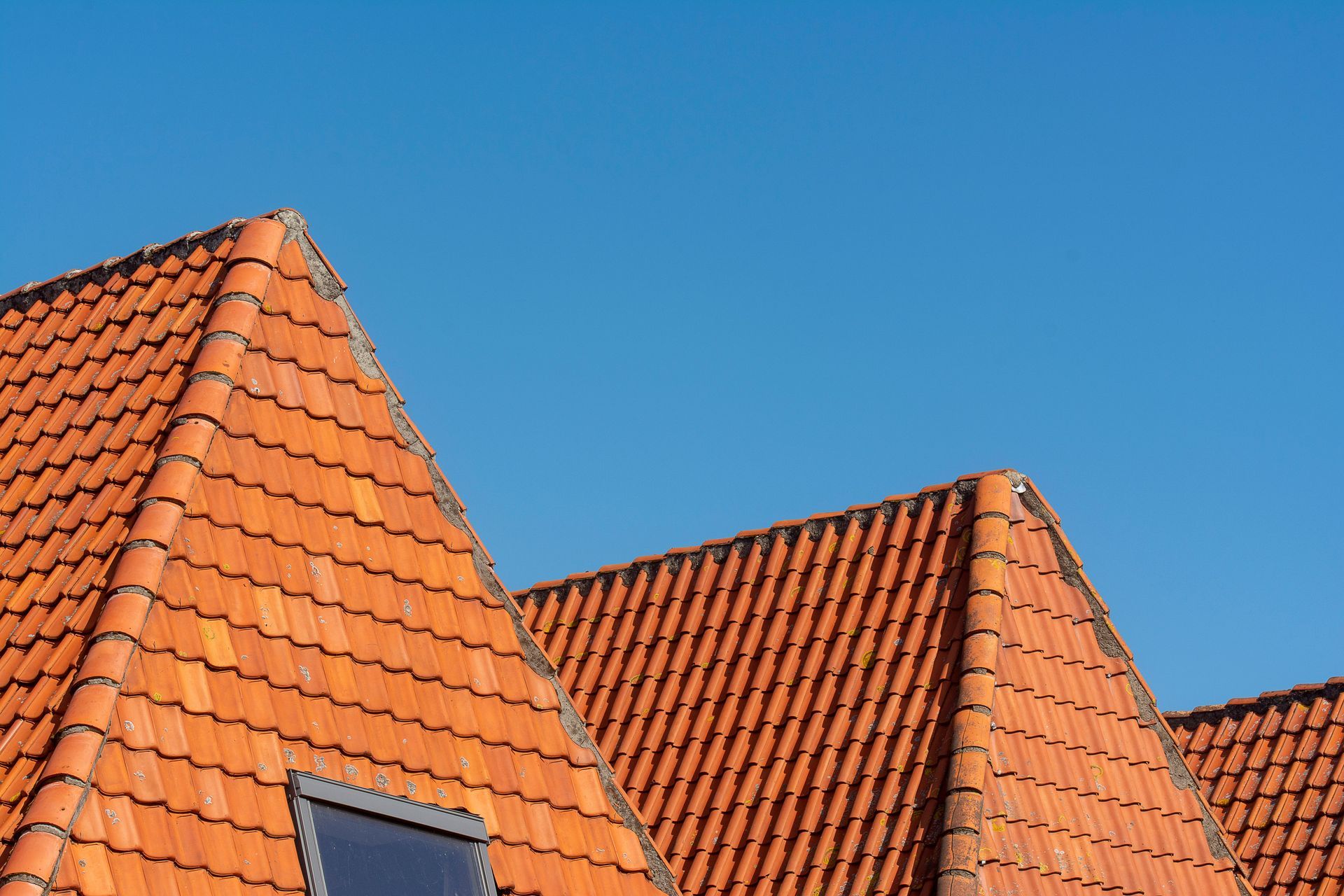
The North Oxford Victorian Suburb Conservation Area covers one of the most complete surviving examples of planned Victorian suburban development in England, built largely to house the growing number of academics permitted to marry once college fellowship rules relaxed in the 1870s. The result is a distinctive collection of Gothic Revival and Venetian Gothic villas, many with steeply pitched slate roofs, decorative ridge tiles and dressed stone detailing that has survived remarkably intact.
Because so much of the area's character depends on this consistency of materials and roofline, Oxford City Council pays close attention to how these properties are maintained. A roof that has been stripped, damaged or altered by an inappropriate cleaning method stands out immediately against neighbouring roofs that have been cared for properly.
2. What Roofing Materials Are Typically Found Here
Most Victorian villas across North Oxford were roofed in Welsh slate, prized for its durability and clean, even appearance, often paired with decorative ridge tiles and terracotta detailing at gables and finials. Some earlier or grander properties incorporate Cotswold stone slate, echoing the material used across college buildings and older Oxfordshire cottages. Both materials are now considerably older than they were designed to last indefinitely without careful maintenance, and both are more delicate than modern interlocking tiles.
Anyone with a stone slate roof specifically will find more detail in our guide to cleaning Cotswold stone and Stonesfield slate roofs in Oxford, which covers the particular risks of pressure washing this type of material.
3. Why Age Changes How a Roof Should Be Cleaned
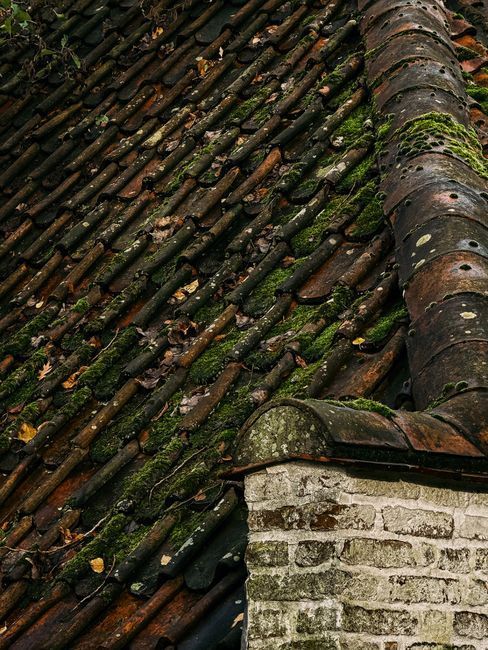
A slate or stone roof that has been in place since the 1870s or 1880s has been through well over a century of weathering, freeze thaw cycles and, in many cases, at least one previous re-roofing or significant repair. Fixings can corrode, the stone or slate itself can become more brittle at the edges, and mortar bedding around ridges and verges softens with age.
High pressure washing on a roof in this condition risks dislodging slates that are only barely secure, stripping the surface of stone tiles, and forcing water into joints that have already begun to weaken. None of this may be obvious from ground level until a slipped tile or a damp patch appears weeks or months later.
4. Why Moss and Algae Are Especially Persistent in This Area
North Oxford's mature street trees, planted as part of the original Victorian development to give the suburb its garden like character, now cast heavy shade over many roofs for large parts of the day. Combined with Oxford's naturally damp, low lying setting near the Thames and Cherwell, this creates ideal conditions for moss and algae to establish on north facing pitches and shaded valleys.
For a deeper look at why this happens across the city as a whole, our article on why Oxford roofs turn green explains the role the city's rivers and climate play in encouraging growth.
5. What Conservation Area Status Means in Practice
Conservation area designation does not usually require formal permission for routine roof cleaning, since cleaning is generally treated as maintenance rather than alteration. However, it does mean the visual result matters, and any work that damages original materials, changes their colour unnaturally, or leads to unauthorised like for like replacement with a different material can attract attention from conservation officers, particularly on a listed building.
In practice, this makes the choice of cleaning method more important here than almost anywhere else in the city. A gentle soft wash that restores the roof's appearance without altering the tile surface keeps a property firmly within the spirit of the conservation area's aims.
6. The Soft Washing Approach for Period Roofs
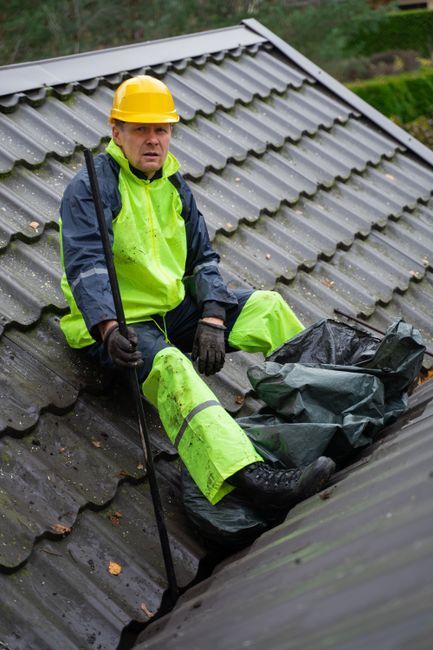
Soft washing uses low pressure water and a biodegradable treatment to break down moss, algae and lichen at the root, rather than relying on force to strip growth from the surface. On a period roof, this means each section can be worked through carefully, checking for loose or cracked tiles as the clean progresses rather than discovering damage only after the fact.
This slower, more attentive process suits North Oxford's older housing stock well. It also tends to produce a more even, natural looking result across a roof, which matters on a conservation street where a patchy or overly bright clean can look as out of place as a dirty one.
7. Gutters and Rainwater Goods on Period Properties
Many Victorian villas in North Oxford still have cast iron guttering and downpipes, sometimes original, which adds another layer of consideration. Blocked gutters caused by moss and leaf litter do not just risk overflow, they can also lead to corrosion in cast iron sections that are increasingly expensive to replace like for like. Keeping gutters clear is arguably even more important on period properties than on modern housing.
Our guide to gutter cleaning for Oxford's tree lined streets looks specifically at how the city's mature tree cover affects gutters through autumn and what that means for older rainwater systems.
8. Signs a Period Roof in North Oxford Needs Cleaning
- Visible moss cushions on ridge lines and in valleys , particularly common on the steep pitches typical of Victorian Gothic Revival villas.
- Dark green or black algae staining on north facing slopes , often the first sign of a shaded roof holding moisture for too long.
- Slipped or displaced slates , which can indicate that fixings or bedding have weakened with age and moisture.
- Debris and moss build up in cast iron gutters , which can accelerate corrosion if left unaddressed.
- Damp patches appearing on ceilings below the roof , suggesting water is finding a way through gaps that moss or growth may be masking.
9. Planning Maintenance Around a Period Property
Because period roofs in this part of Oxford are dealing with both age and the shaded, damp conditions typical of North Oxford, a slightly more frequent maintenance cycle than a modern roof often makes sense. A light soft wash every two to three years, alongside a visual check of ridge tiles, valleys and gutters, tends to keep small issues from developing into costly repairs on materials that cannot always be easily replaced.
Working with a contractor who understands the specific demands of period roofing, rather than treating every job the same way, makes a genuine difference to how well these roofs are preserved over time.
Frequently Asked Questions
Do I need permission to clean my roof in a conservation area? Routine cleaning is generally considered maintenance rather than alteration and does not usually require permission, but any work that would change or damage original materials should be approached with caution, particularly on a listed building.
What does roof cleaning cost for a period property in Oxford? Costs depend on roof size, pitch, material and access, and period roofs can sometimes take longer to clean carefully than a standard modern roof, which affects pricing. A site visit and specific quote is the most reliable way to know what a particular roof will involve.
Is pressure washing ever appropriate for a Victorian slate roof? Generally no. Pressure washing risks dislodging aged slates, damaging fixings and forcing water into joints that have weakened over time, so soft washing is the recommended method for Victorian and other period roofs.
How often should a period roof in North Oxford be cleaned? A common guide is every two to three years for roofs in shaded, tree lined streets, though this varies depending on aspect, tree cover and how quickly moss or algae tends to establish on that particular property.
Can original Victorian ridge tiles be cleaned without replacing them? In most cases yes. A careful soft wash removes moss and staining without needing to remove or replace original ridge tiles, provided they are structurally sound to begin with.
Does cleaning my roof help protect its conservation area appearance? Yes. A well maintained roof, free of heavy moss and staining, keeps a property in keeping with the overall streetscape that gives North Oxford's conservation area its character, which is generally viewed favourably.
Living with a period roof in North Oxford's conservation streets? Ben's Roof Cleaning has over 15 years of experience with Victorian and period roofs across Oxford and Oxfordshire, using soft washing methods suited to older, more delicate materials. Get in touch or call 0186 550 9593 for a free, no obligation quote.
Period Roofs Deserve a Period Appropriate Approach
North Oxford's Victorian conservation streets are defined as much by their rooflines as by their brickwork, and keeping those roofs clean without damaging what makes them special takes patience rather than force. A considered soft wash, timed sensibly and carried out by someone who understands period materials, protects both the roof and the character of the conservation area it sits within.